
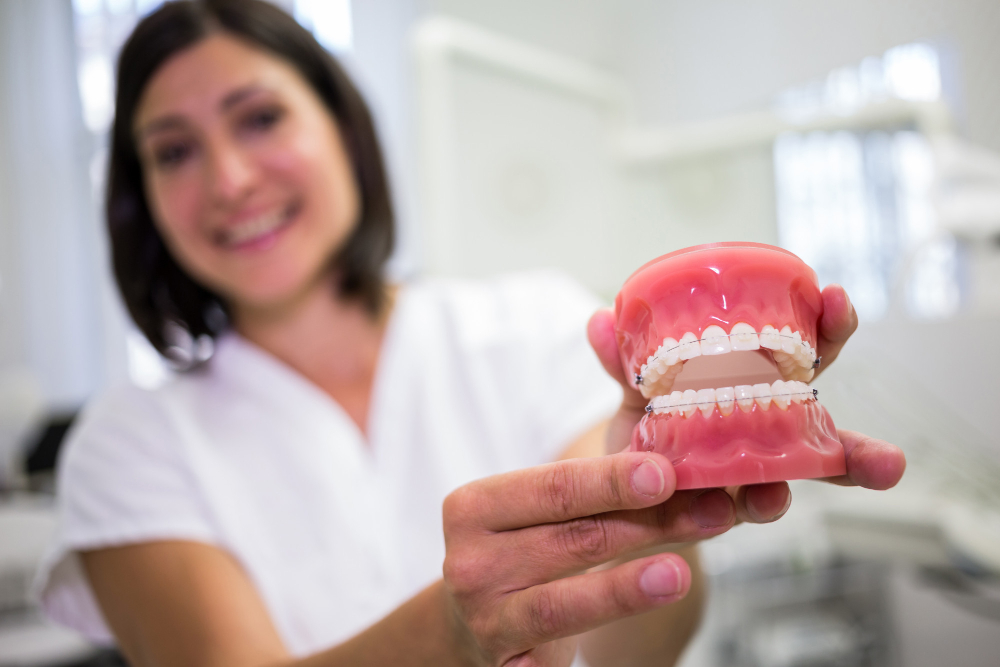
Introduction to FPD (Fixed Partial Dentures)
Missing teeth can affect your smile and how you eat. Fixed partial dentures (FPD) offer a simple solution. Many people choose FPD dental treatment to restore their teeth. In this blog, you will learn about FPD, its benefits, and how the FPD procedure works. We will also answer common questions and share care tips for your dental bridge options.
What is FPD?
FPD stands for fixed partial dentures. Some people call them dental bridges. They replace one or more missing teeth. Unlike removable dentures, FPD stays in your mouth. Your dentist attaches it to nearby healthy teeth. As a result, you get a natural look and better chewing ability.
Symptoms and Signs Indicating the Need for FPD
Sometimes, you may not notice problems after losing a tooth. However, certain signs suggest you might need FPD dental treatment:
If you notice these symptoms, talk to your dentist about dental bridge options.
Causes of Tooth Loss Leading to FPD
Many reasons can lead to tooth loss. Knowing the causes helps you prevent future problems. Common causes include:
Because tooth loss is common, FPD dental treatment is a popular choice for many people.
Diagnosis and Assessment for FPD
First, your dentist will check your mouth and teeth. They may take X-rays to see the bone and roots. Next, your dentist will ask about your health and dental history. After that, they will decide if FPD is the best option for you. Sometimes, other dental bridge options may be suggested.
Treatment Process: How FPD is Placed
The FPD procedure usually takes a few visits. Here is what you can expect:
Because the FPD is fixed, you do not remove it for cleaning.
Benefits and Risks of FPD
FPD dental treatment offers many benefits. However, there are also some risks. Let’s look at both:
Because every mouth is different, your dentist will discuss these with you.
Care and Maintenance Tips for FPD
Proper care helps your FPD last longer. Here are some easy tips:
With good care, your FPD can last many years.
Prevention of Tooth Loss
While FPD dental treatment helps after tooth loss, prevention is always best. To keep your teeth healthy:
Because prevention is simple, you can avoid the need for dental bridge options in the future.
Frequently Asked Questions about FPD
Conclusion and Call-to-Action
Fixed partial dentures (FPD) are a trusted way to replace missing teeth. They restore your smile and help you eat with ease. If you think you may need FPD dental treatment, consult a qualified dentist to find out if fixed partial dentures are right for you.