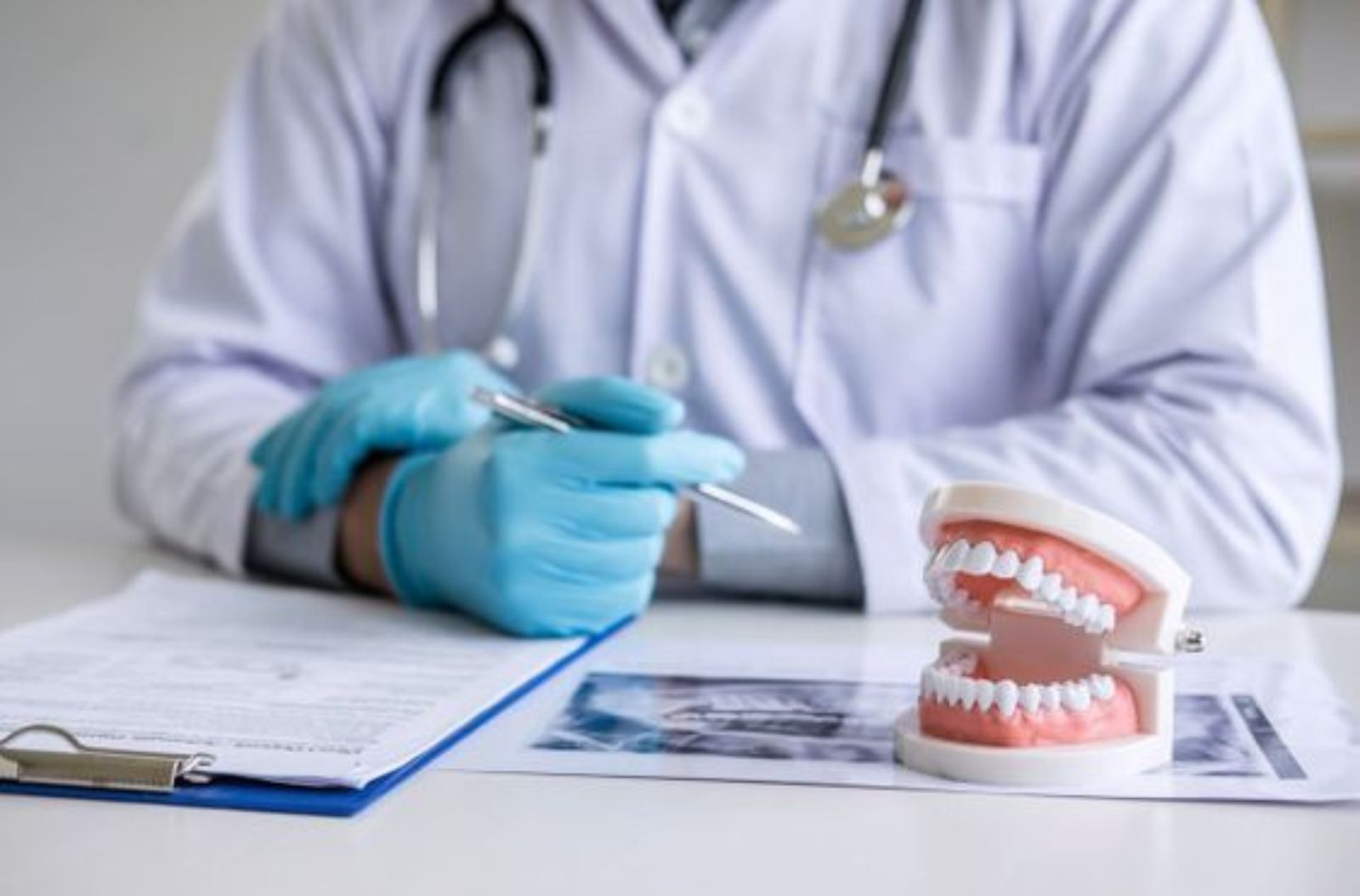
Full Mouth Rehabilitation in Gowrivakkam

  • Home
  • Full Mouth Rehabilitation in Gowrivakkam

Full Mouth Rehabilitation in Gowrivakkam: Complete Smile Restoration Guide

Full Mouth Rehabilitation in Gowrivakkam

Missing teeth, severe tooth wear, damaged restorations, gum disease, and chronic jaw discomfort can significantly affect your ability to eat, speak, and smile with confidence. When multiple dental problems occur together, a single treatment may not be enough. This is where Full Mouth Rehabilitation in Gowrivakkam provides a comprehensive solution by restoring the health, function, and appearance of your entire mouth.

According to the World Health Organization (WHO), oral diseases affect nearly 3.5 billion people worldwide, making dental rehabilitation an important part of long-term oral health care.

Signs You May Need Full Mouth Rehabilitation

Multiple missing or damaged teeth
Difficulty chewing food comfortably
Severe tooth wear from grinding
Chronic jaw pain or bite problems
Advanced gum disease

What Is Full Mouth Rehabilitation?

Full mouth rehabilitation is a comprehensive dental treatment that rebuilds and restores all teeth, gums, bite function, and overall oral health. It combines multiple restorative and cosmetic procedures to improve chewing ability, speech, comfort, and smile aesthetics.

Full mouth rehabilitation is a customized treatment plan designed for patients with multiple dental issues, such as missing teeth, severely worn teeth, extensive decay, bite problems, or advanced gum disease. Rather than addressing one problem at a time, this approach restores the entire mouth to achieve optimal function and appearance.

According to the World Health Organization (WHO), oral diseases affect approximately 3.5 billion people globally, highlighting the importance of comprehensive dental care and rehabilitation.

Common Conditions Treated

Multiple missing teeth
Severely worn or damaged teeth
Chronic jaw pain and bite issues
Extensive tooth decay
Advanced gum disease
Broken crowns or failing restorations

Example

For example, a patient with several missing teeth, worn enamel from grinding, and difficulty chewing may benefit from dental implants, crowns, and bite correction as part of a full mouth rehabilitation plan.

Feature Full Mouth Rehabilitation Single Dental Treatment
Scope Entire mouth restoration One specific issue
Treatment Plan Multiple procedures combined Single procedure
Goal Function and aesthetics Problem-focused care
Results Comprehensive oral restoration Limited improvement

Full mouth rehabilitation combines advanced dentistry, personalized planning, and restorative treatments to help patients regain a healthy, functional, and confident smile.

Signs You May Need Full Mouth Rehabilitation

Many dental problems develop gradually, making it easy to ignore early warning signs. However, when multiple oral health issues affect your teeth, gums, and bite at the same time, full mouth rehabilitation may provide the most effective solution. This comprehensive treatment restores function, comfort, and appearance through a customized treatment plan.

According to the World Health Organization (WHO), oral diseases affect nearly 3.5 billion people worldwide, and untreated dental conditions can significantly impact quality of life.

Common Signs You May Need Full Mouth Rehabilitation

Multiple missing teeth
Difficulty chewing certain foods
Severely worn or flattened teeth
Frequent tooth fractures or cracks
Persistent jaw pain or discomfort
Chronic headaches caused by bite problems
Advanced gum disease
Loose teeth or shifting teeth
Extensive tooth decay
Old or failing dental restorations

Example

For example, a patient who has lost several teeth and experiences jaw pain while chewing may require dental implants, crowns, and bite correction as part of a full mouth rehabilitation plan.

If you experience several of these symptoms simultaneously, a comprehensive dental evaluation can help determine whether full mouth rehabilitation is the right solution. Early diagnosis often leads to more predictable treatment outcomes and better long-term results.

Common Dental Problems Addressed by Full Mouth Rehabilitation

Full mouth rehabilitation is designed to treat multiple dental issues that affect oral health, function, and appearance. Instead of addressing one problem at a time, this comprehensive approach restores the entire mouth through a customized treatment plan. It is particularly beneficial for patients who experience a combination of tooth loss, severe wear, gum disease, and bite problems.

According to the World Health Organization (WHO), oral diseases affect approximately 3.5 billion people globally, making comprehensive restorative care essential for many adults.

Common Problems Treated with Full Mouth Rehabilitation

Multiple missing teeth
Severely worn or damaged teeth
Extensive tooth decay
Cracked or fractured teeth
Advanced gum disease
Bite misalignment
Jaw pain and TMJ-related issues
Failed crowns, bridges, or fillings
Teeth grinding (bruxism)

Example

For example, a patient with missing molars, worn front teeth, and chronic jaw discomfort may require dental implants, crowns, and bite correction to restore proper function and comfort.

Dental Problem Possible Rehabilitation Solution
Missing Teeth Dental implants or bridges
Worn Teeth Crowns or veneers
Severe Decay Root canal treatment and crowns
Gum Disease Periodontal therapy
Bite Problems Orthodontics or bite correction
Broken Teeth Crowns, bonding, or restorations

By addressing multiple concerns together, full mouth rehabilitation helps restore chewing efficiency, improve oral health, enhance smile aesthetics, and provide long-term functional stability.

Treatments Included in Full Mouth Rehabilitation

Full mouth rehabilitation combines several dental treatments to restore the health, function, and appearance of your entire mouth. Since every patient has unique dental concerns, dentists create a personalized treatment plan based on the condition of the teeth, gums, jaw joints, and bite.

The goal is not only to improve your smile but also to restore comfortable chewing, clear speech, and long-term oral health.

Common Treatments Included in Full Mouth Rehabilitation

to replace missing teeth permanently
to strengthen damaged or weakened teeth
to fill gaps caused by missing teeth
to save infected teeth
to treat gum disease
for replacing multiple missing teeth
to correct bite and alignment issues
to improve the appearance of worn or uneven teeth
to improve jaw function and comfort

Example

For example, a patient with missing molars, worn front teeth, and gum disease may receive dental implants, crowns, and periodontal treatment as part of a comprehensive rehabilitation plan.

By combining restorative, periodontal, and cosmetic procedures, full mouth rehabilitation provides a complete solution for patients seeking a healthier, stronger, and more confident smile.

Full Mouth Rehabilitation Process Step by Step

Full mouth rehabilitation follows a carefully planned process to restore oral health, function, and smile aesthetics. Since every patient has unique dental concerns, dentists create a customized treatment plan that addresses all issues systematically. The process focuses on achieving long-term results while ensuring comfort throughout treatment.

Step 1: Comprehensive Consultation

  • Review dental and medical history
  • Discuss symptoms and treatment goals
  • Perform a complete oral examination
  • Identify functional and aesthetic concerns

Step 2: Diagnostic Evaluation

  • Take digital X-rays and scans
  • Assess teeth, gums, jaw joints, and bite
  • Evaluate existing restorations
  • Develop a detailed treatment strategy

Step 3: Personalized Treatment Planning

  • Prioritize urgent dental issues
  • Plan restorative and cosmetic procedures
  • Explain timelines and expected outcomes

Step 4: Active Treatment Phase

Depending on the patient’s needs, treatment may include:

  • Dental implants
  • Root canal treatment
  • Gum therapy
  • Crowns and bridges
  • Clear aligners
  • Dentures or veneers

Step 5: Bite and Function Correction

  • Adjust bite alignment
  • Improve chewing efficiency
  • Enhance jaw comfort and stability

Step 6: Final Restoration and Follow-Up

  • Place final restorations
  • Evaluate treatment results
  • Schedule maintenance visits

Example

For example, a patient with missing teeth, gum disease, and worn enamel may first receive periodontal treatment, followed by implants and crowns to restore both function and appearance.

This step-by-step approach ensures a healthier mouth, stronger bite, and a confident, long-lasting smile.

Benefits of Full Mouth Rehabilitation

Full mouth rehabilitation offers more than just a better-looking smile. It restores the health, function, and stability of your entire mouth, helping you enjoy everyday activities such as eating, speaking, and smiling with confidence. By addressing multiple dental problems at the same time, this treatment provides a comprehensive solution for long-term oral health.

Many patients struggle with missing teeth, worn enamel, bite issues, or damaged restorations. Full mouth rehabilitation combines the right treatments to rebuild oral function and improve overall quality of life.

Key Benefits of Full Mouth Rehabilitation

Restores comfortable chewing and biting
Improves speech clarity
Replaces missing teeth effectively
Strengthens weakened or damaged teeth
Corrects bite alignment problems
Enhances smile appearance and facial balance
Reduces jaw discomfort caused by bite issues
Improves overall oral health
Boosts confidence in social and professional situations

Example

For example, a patient with several missing teeth and worn-down enamel may struggle to chew food properly. Through dental implants, crowns, and bite correction, full mouth rehabilitation can restore normal function and improve smile aesthetics.

By restoring damaged teeth, improving bite function, and enhancing smile aesthetics, full mouth rehabilitation helps patients regain comfort, confidence, and a healthier quality of life for years to come.

Advanced Technology Used in Full Mouth Rehabilitation

Modern full mouth rehabilitation relies on advanced dental technology to improve accuracy, efficiency, and treatment outcomes. These innovations help dentists diagnose complex dental problems, create precise treatment plans, and deliver predictable results. By using digital tools and advanced imaging systems, dental specialists can restore oral function and aesthetics with greater confidence.

Technology plays a crucial role when multiple treatments such as dental implants, crowns, bridges, orthodontics, and gum therapy are involved in a rehabilitation plan.

Advanced Technologies Commonly Used

  • Digital X-rays for detailed dental evaluation
  • CBCT (3D Imaging) for accurate bone and implant assessment
  • Intraoral scanners for digital impressions
  • CAD/CAM technology for precise restorations
  • Digital smile design software for treatment visualization
  • Laser dentistry for selected soft tissue procedures

Benefits of Modern Dental Technology

  • More accurate diagnosis
  • Better treatment planning
  • Improved patient comfort
  • Faster and more efficient procedures
  • Enhanced precision and predictability
  • Natural-looking restorations

Example

For example, a patient requiring multiple dental implants can benefit from CBCT 3D imaging. This technology allows the dentist to evaluate bone structure accurately and determine the ideal implant position before treatment begins.

How Long Does Full Mouth Rehabilitation Take?

The duration of full mouth rehabilitation varies from patient to patient because every treatment plan is unique. Some patients may need only a few restorative procedures, while others require a combination of implants, crowns, gum therapy, orthodontics, and bite correction. The timeline depends on the complexity of the case and the healing time required between procedures.

A dentist will evaluate your oral condition and create a personalized treatment schedule that balances efficiency with long-term success.

Factors That Affect Treatment Duration

Number of damaged or missing teeth
Presence of gum disease
Need for dental implants
Bone grafting requirements
Bite alignment corrections
Healing time after surgical procedures
Overall oral health condition

Typical Stages of Treatment

Initial consultation and diagnosis
Treatment planning
Gum therapy or preparatory procedures
Dental implants or restorations
Bite correction if required
Final restorations and follow-up care

Example

For example, a patient with worn teeth and a few damaged crowns may complete rehabilitation relatively quickly. Another patient requiring multiple implants and gum treatment may need additional time for healing before final restorations are placed.

Why Choose Full Mouth Rehabilitation in Gowrivakkam?

Full mouth rehabilitation is a life-changing treatment for patients dealing with multiple dental problems such as missing teeth, severe wear, damaged restorations, gum disease, or bite issues. Choosing a trusted dental clinic in Gowrivakkam ensures you receive comprehensive care, personalized treatment planning, and long-term solutions designed to restore both function and aesthetics.

Modern dental clinics in Gowrivakkam offer advanced diagnostic tools and customized treatment approaches that address complex dental concerns efficiently and comfortably.

Benefits of Choosing Full Mouth Rehabilitation in Gowrivakkam

Comprehensive treatment under one roof
Personalized rehabilitation plans
Advanced diagnostic and imaging technology
Solutions for both functional and cosmetic concerns
Focus on long-term oral health
Improved comfort during treatment
Better chewing and speaking ability
Enhanced smile appearance and confidence

Example

For example, a patient with missing teeth, worn enamel, and difficulty chewing may receive dental implants, crowns, and bite correction as part of a personalized rehabilitation plan. This approach helps restore oral function while improving smile aesthetics.

How to Maintain Results After Full Mouth Rehabilitation

Completing full mouth rehabilitation is a significant step toward better oral health, improved function, and a confident smile. However, maintaining the results requires consistent care and healthy habits. Proper maintenance helps protect dental implants, crowns, bridges, veneers, and other restorations while preventing future oral health problems.

A simple daily routine and regular dental visits can help keep your restored smile healthy and long-lasting.

Tips to Maintain Your Results

  • Brush your teeth twice daily using a soft-bristled toothbrush
  • Floss every day to remove plaque between teeth
  • Use dentist-recommended oral care products
  • Attend regular dental checkups and cleanings
  • Follow all post-treatment instructions carefully
  • Stay hydrated to support oral health

Protect Your Restorations

  • Avoid chewing ice and hard objects
  • Do not use teeth to open packages
  • Wear a night guard if you grind your teeth
  • Protect your teeth during sports activities

Example

For example, a patient who receives dental implants and crowns can maintain excellent results by practicing good oral hygiene and attending routine dental examinations. These habits help prevent complications and extend the lifespan of restorations.

By following a consistent maintenance routine, patients can enjoy the benefits of full mouth rehabilitation for many years while keeping their smile healthy, functional, and confident.

Conclusion

Full mouth rehabilitation is a comprehensive solution for patients facing multiple dental concerns such as missing teeth, severe tooth wear, gum disease, bite problems, and damaged restorations. Rather than treating individual issues separately, this customized approach restores the health, function, comfort, and appearance of your entire mouth.

By combining advanced dental treatments such as implants, crowns, bridges, periodontal therapy, and bite correction, full mouth rehabilitation helps patients regain the ability to eat comfortably, speak clearly, and smile with confidence. It not only improves oral health but also enhances overall quality of life by creating long-lasting functional and aesthetic results.

Choosing experienced dental professionals and a personalized treatment plan is essential for achieving successful outcomes. With modern technology and comprehensive care, patients can enjoy a healthier smile and improved confidence for years to come.

If you are struggling with multiple dental problems and want a complete solution, now is the perfect time to take the first step. Schedule a consultation for Full Mouth Rehabilitation in Gowrivakkam and discover how a customized treatment plan can restore your smile, oral health, and confidence.

FAQs

What is full mouth rehabilitation?
Full mouth rehabilitation restores damaged teeth, gums, and bite function using customized treatments to improve oral health and smile aesthetics.
Who needs full mouth rehabilitation?
Patients with multiple missing, worn, damaged, or decayed teeth, gum disease, or bite problems may benefit from full mouth rehabilitation.
How long does full mouth rehabilitation take?
Treatment duration varies based on dental needs and procedures involved. Simple cases take less time, while complex cases need multiple visits.
Is full mouth rehabilitation painful?
Most procedures involve minimal discomfort. Modern techniques and anesthesia help ensure a comfortable treatment experience.
What treatments are included in full mouth rehabilitation?
Treatments may include dental implants, crowns, bridges, root canals, gum therapy, dentures, veneers, and bite correction procedures.